
The Quietest Gym in the World
In the quiet gym of the mind, journaling serves as the most reliable daily workout—far more essential than any dumbbell or treadmill. Just as Arnold Schwarzenegger built his legendary physique through relentless, disciplined reps and Michael Jordan transformed misses into mastery via obsessive practice, and saints like Mother Teresa fortified their spirits through written prayers and confessions amid impossible hardship, so too can a simple notebook train the brain’s key muscles: emotional resilience, clarity, self-confidence, creativity, stress buffering, pattern recognition, impulse control, and meaning-making. The rewards compound over time—short bursts of calm and focus give way to lasting mental strength, sharper decisions, and a deeper sense of who you are—proving that the most powerful gains often come not from lifting iron, but from lifting your own thoughts onto the page.

The World’s Cheapest, Easiest, Most Unglamorous Happiness Hack
In a world wired to spot flaws and greet life with a resigned “not too bad,” this piece gently champions the simple, science-backed habit of gratitude journaling. Far from recording grand triumphs, it’s about noticing the overlooked daily blessings—the perfect toast, a near-miss parking triumph, a handsome donkey in a field—that quietly accumulate into better sleep, calmer reactions, and a surprising resilience against life’s darker days. With wry British humour and a touch of reluctant optimism, it argues that three modest lines scribbled each evening might just be the cheapest, most unglamorous way to rewire attention toward the light rather than the shadows.

The Art of Not Being an Idiot Twice
We humans are marvelous creatures, capable of splitting atoms and composing symphonies, yet we stubbornly insist on replaying the same daft mistakes as if history were a greatest-hits album on endless loop—from tulip bubbles to crypto frenzies, from failed diets to failed ideologies. We tut at others for their blindingly obvious blunders while cheerfully committing our own, then wonder why life feels like Groundhog Day with worse weather. The funny thing is, the escape hatch is ridiculously simple: a notebook, a pen, and the willingness to pause long enough to ask, “What on earth was I thinking there?” Journaling isn’t about self-scolding; it’s about turning those repeated trips and stumbles into deliberate, slightly-less-embarrassing steps forward—until one day you look back and realize you’ve quietly become a wiser, wittier version of yourself.
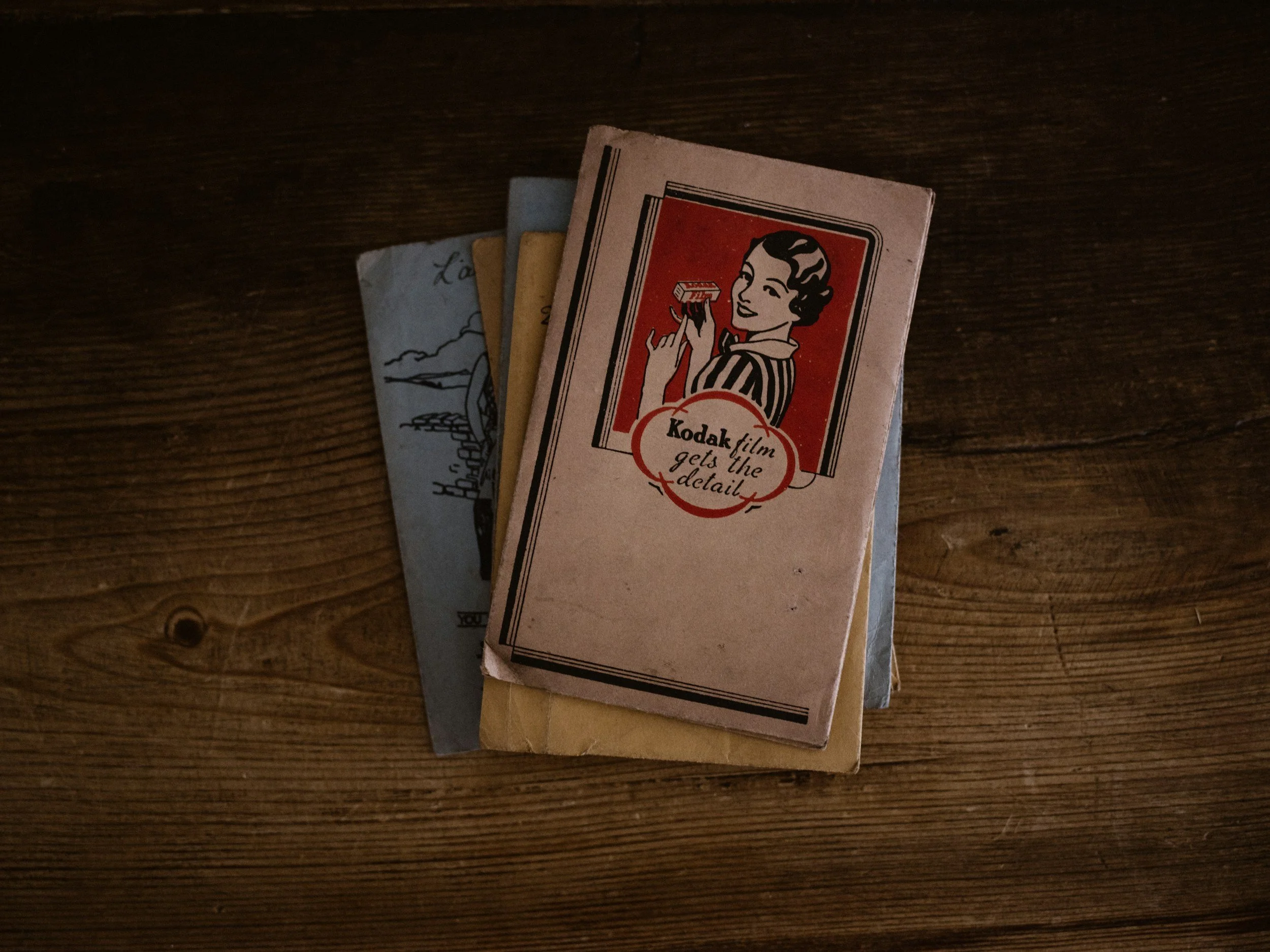
8-Steps for Choosing a Journal That You’d Actually Use
One day, quite out of the blue, you’re seized by the urge to journal—envisioning yourself as a modern Pepys, elegantly capturing profound thoughts over coffee or mild grumbles about the neighbour’s hedge, all in pursuit of a wiser, more organised self. Yet the hunt for the right notebook proves bewildering: confronted by everything from flimsy spiral-bound pads that feel like a plumber’s invoice book to opulent leather-bound tomes with gilded edges, you wonder if your rather ordinary musings—mostly weather reports and lunch reviews—truly merit such grandeur, or whether the whole enterprise will fizzle out by mid-January, leaving another reproachful volume gathering dust in a drawer. The truth is, there is no perfect journal, only one that quietly suits your quirks and frailties at this moment; choose wisely, and it might just become the gentle companion that keeps you writing long after the New Year’s enthusiasm has politely faded away.
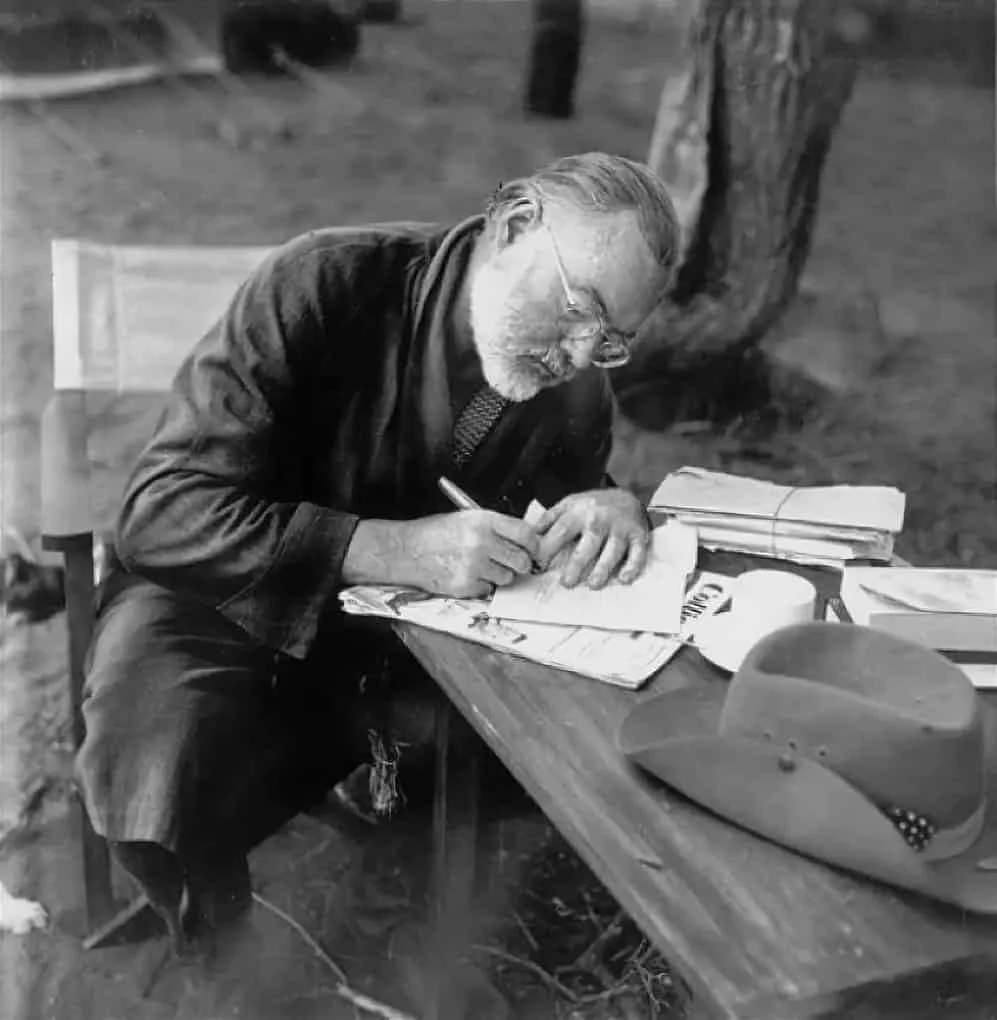
Why You Should Ditch the Keyboard and Pick Up a Pen: The Joys of Old-Fashioned Journaling
In an era dominated by flickering screens and relentless notifications, there's a quiet rebellion to be found in the simple act of putting pen to paper—handwritten journaling, that old-fashioned ritual that grounds us amid the digital frenzy. Far from being a relic, it offers profound joys backed by neuroscience: sharper memory as motor skills etch thoughts deeply into the brain, slower pacing that invites reflective wanderings and unexpected insights, unleashed creativity where doodles and wild tangents spark brilliance, cathartic emotional release that feels intimately therapeutic, mindful focus free from pop-ups, and a tangible, sensory-rich archive of your life, complete with ink stains, pressed flowers, and the crinkle of pages that no cloud storage can rival. As I flip through my own weathered notebooks—coffee-spotted entries from Paris, absurd sketches born of writer's block—I’m reminded that this analog practice isn't just beneficial; it's magical, turning fleeting thoughts into a personal legacy that warms the soul and invites us to laugh, heal, and truly connect with ourselves.